INSIDE THE CUSTOMER NETWORK
Access only to the voice systems it serves.
The recorder talks to the relevant Cisco voice nodes for signaling and media, and adds no local administration stack.
Security architecture
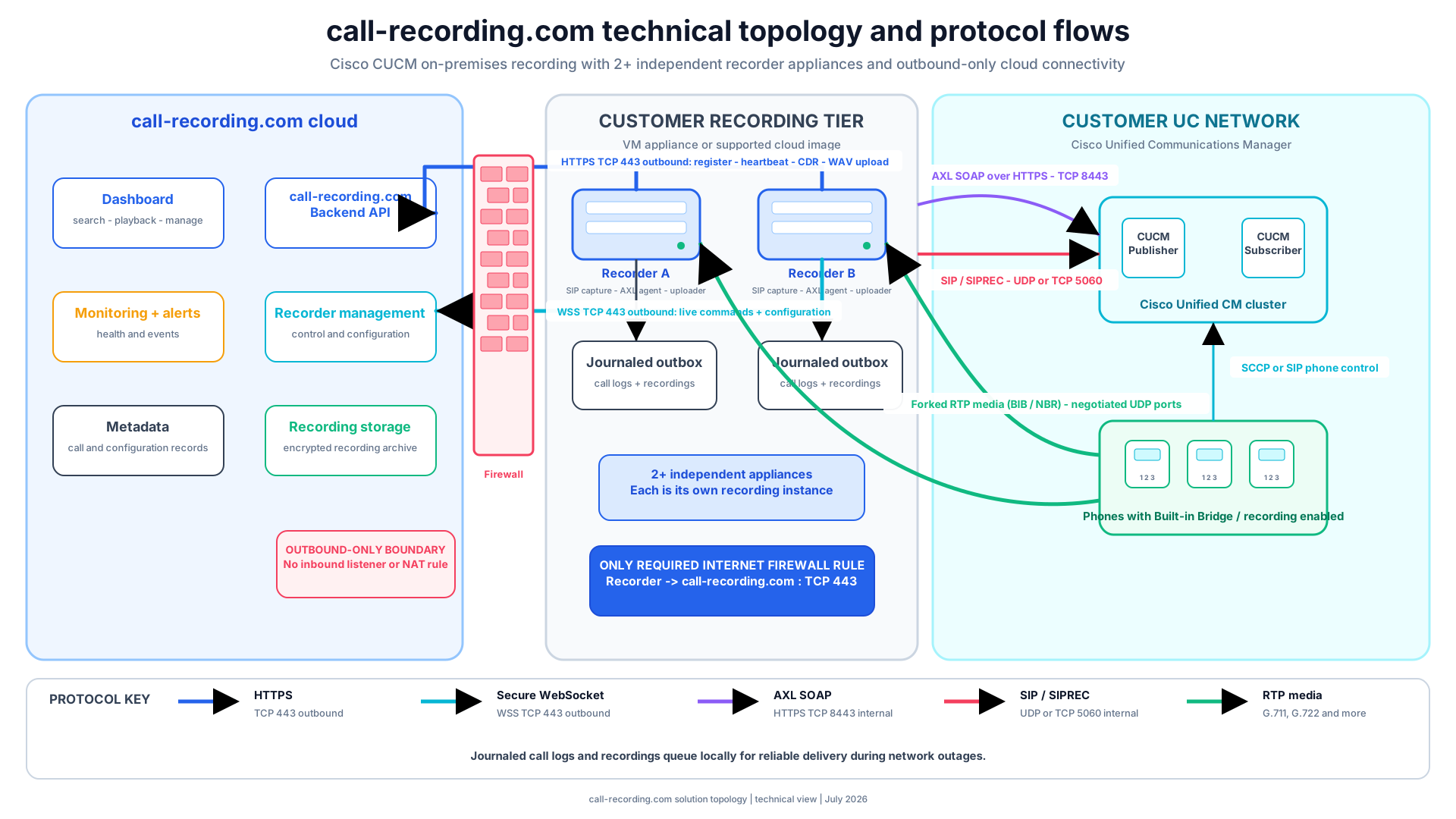
The recorder needs two kinds of access: internal paths to your Cisco voice infrastructure, and outbound HTTPS to call-recording.com.
Cisco Voice
customer network
Recorder
headless runtime
call-recording.com
outbound HTTPS
the recorder initiates every connection; nothing inbound
INSIDE THE CUSTOMER NETWORK
The recorder talks to the relevant Cisco voice nodes for signaling and media, and adds no local administration stack.
outbound to call-recording.com
Control traffic, CDR delivery, and recording uploads all use outbound HTTPS to the call-recording.com backend.
ALIGNED WITH ZTNA PRINCIPLES
The recorder accepts no management connections from the internet. It opens its cloud connection itself, so there is nothing to publish, proxy, or expose.
You administer the recorder from the SaaS dashboard. It runs headless, with no local web interface to patch, protect, or audit.
Uploads are protected in transit. Once stored, recording audio and its associated metadata are encrypted at rest with AES-256. Encryption is applied automatically across the storage layer, which supports common encryption-at-rest control requirements, and access stays authenticated and scoped to your organization.
That is the whole list.
FOR THE FIREWALL CHANGE REQUEST
Outbound HTTPS and secure WebSocket on TCP 443; AXL SOAP, SIP/SIPREC, and forked RTP inside the voice network; nothing inbound from the internet. Attach the PDF or Visio file to your security review.
SECURITY ARCHITECTURE
Deploy a recorder and confirm the Cisco voice and outbound HTTPS paths it needs.